Pope Leo XIV has been diagnosed with lung cancer after surgeons removed the lower lobe of his right lung in an operation in Rome on Tuesday, the Vatican has announced.
The 71-year-old pontiff is recovering at Rome's Gemelli hospital after what the Vatican described as a successful procedure with no complications. He woke up normally after the operation and returned to his room, where he was resting. The Vatican said he is expected to spend about a week in hospital.
The diagnosis marks the first major health crisis of a papacy that is only 17 months old — and it arrived with a level of openness that surprised even longtime Vatican watchers. The pope himself announced the discovery of the lung growth just two days before the operation, and the Vatican has since issued detailed medical updates.
What the Vatican announced
In a medical bulletin released on Tuesday evening, the Vatican said surgeons had removed the lower lobe of the pope's right lung using a video-assisted technique. The aim, the bulletin said, was to make the procedure fully curative — to take out all of the suspect tissue rather than only part of it.
Tests carried out on the tissue during the operation confirmed a diagnosis of lung adenocarcinoma, a common form of lung cancer. Doctors had suspected that diagnosis from the pope's pre-operative examinations, and the surgery confirmed it.
The pope spent about three hours in the operating room. The operation itself lasted roughly 90 minutes. The surgical team was led by Professor Stefano Margaritora, the chief thoracic surgeon at the Gemelli hospital. The Vatican said the pope woke up normally, spent a brief period under observation, and then returned to his room on the hospital's tenth floor.
Vatican spokesman Matteo Bruni told reporters that after returning to his room, the pope asked for dinner — a small detail that, in the anxious hours after any major surgery, carried outsized reassurance for the crowds gathered outside the hospital and for Catholics watching around the world.
The bulletin did not announce any further treatment. The Vatican said doctors were not currently discussing chemotherapy or other additional therapies, and that postoperative tests on the removed tissue would follow in the coming days. Further updates on how the pope spent his first night after surgery were expected from the Holy See Press Office.
A timeline: from Sunday announcement to Tuesday surgery
The sequence of events moved quickly, and unusually transparently for the Vatican.
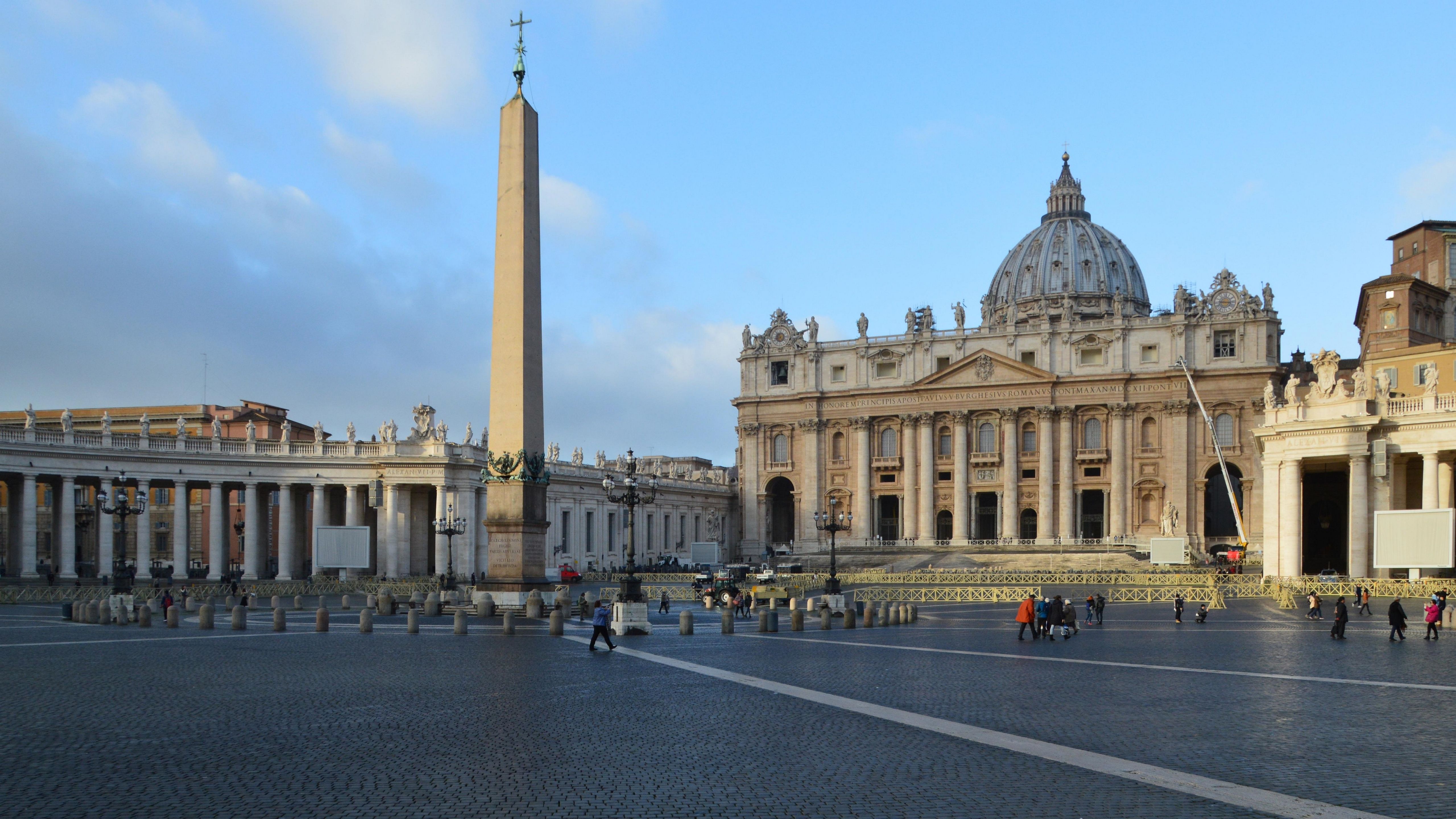
On Sunday, October 11, Pope Leo used his weekly noon prayer in St. Peter's Square to tell the faithful himself that doctors had found a small growth on one of his lungs during a recent health check-up. He described the nodule as small and well contained, and said it had been spotted early. He told the crowd that doctors believed the best course was to remove it, and that he had decided to follow their advice and undergo surgery.
The following day, the Vatican cancelled all of the pope's public audiences through October 20, clearing his schedule for the operation and the first stage of recovery.
On Tuesday, October 13, the pope travelled from the Vatican to the Gemelli hospital, about nine kilometres north of the Vatican, shortly before 1 p.m. local time. He waved from a black SUV as his convoy made the journey, then walked through the hospital's main entrance, shaking hands with officials and greeting dozens of well-wishers who had gathered to wish him well.
That afternoon, the surgery took place. By Tuesday evening, the Vatican had confirmed both the success of the operation and the cancer diagnosis.
What is lung adenocarcinoma?
Lung adenocarcinoma is the most common type of non-small cell lung cancer. It develops from the cells that line the air sacs of the lung and produce mucus, and it is more often found in the outer areas of the lung than in the central airways.
One feature that doctors note about this type of cancer is that, unlike some other forms of lung cancer, it is relatively common in people who have never smoked. Pope Leo is not known to be a smoker.
Oncologists commenting before the operation had said that even if the nodule turned out to be cancerous, the pope's outlook would be strong precisely because the growth had been found early and removed promptly.
That said, important questions remain unanswered. The Vatican has not yet said whether tests show any sign that the cancer had spread beyond the removed tissue, and doctors are still examining the material taken out during surgery. Those results will shape what happens next — whether surgery alone is considered sufficient, or whether further treatment is recommended.
What happens next
The immediate plan is rest and monitoring. The pope is expected to remain at the Gemelli hospital for about a week, the same hospital where popes have been treated for decades. His public events have been cancelled through October 20.
Beyond that, one major question hangs over his calendar: a planned 11-day tour of South America, scheduled to begin on November 6 and take him to Uruguay, Argentina and Peru. At the time of writing, the Vatican had not announced any change to that trip, but any decision will depend on how his recovery progresses and what the postoperative tests show.
Another question is how the Vatican will handle the flow of information. So far, the approach has been strikingly open: the pope announced the problem himself, and the Vatican has published detailed surgical bulletins.
Who is Pope Leo XIV?
Pope Leo XIV was elected by the world's cardinals in May 2025, becoming the first pope ever born in the United States. At 71, he is relatively young for a leader of the Catholic Church. He is known as a keen sports fan, including tennis, and had no publicly known health problems before this week.
His 17-month papacy has been marked by outspoken positions on international affairs. He has been a vocal advocate for peace.
Why this story matters beyond the Vatican
A pope's health is never only a medical story. For 1.4 billion Catholics, the pope is a spiritual father, and news of a cancer diagnosis lands personally even for people who have never been to Rome. The crowds outside the Gemelli hospital on Tuesday — well-wishers shouting encouragement as the pope arrived — were an early sign of the emotional response the news has already generated.
It is also a story about transparency. The Vatican has historically been guarded about the health of popes, sometimes releasing little more than reassurance. Pope Leo's decision to announce the discovery himself, and the detailed medical bulletins that followed, represent a different approach — one that gives the public facts to work with rather than rumour to fill the gap.
For now, the facts are these: the surgery succeeded, the growth was removed in full, the pope is awake and resting, and further test results are still to come.
0 comments:
Post a Comment